
Mental Health
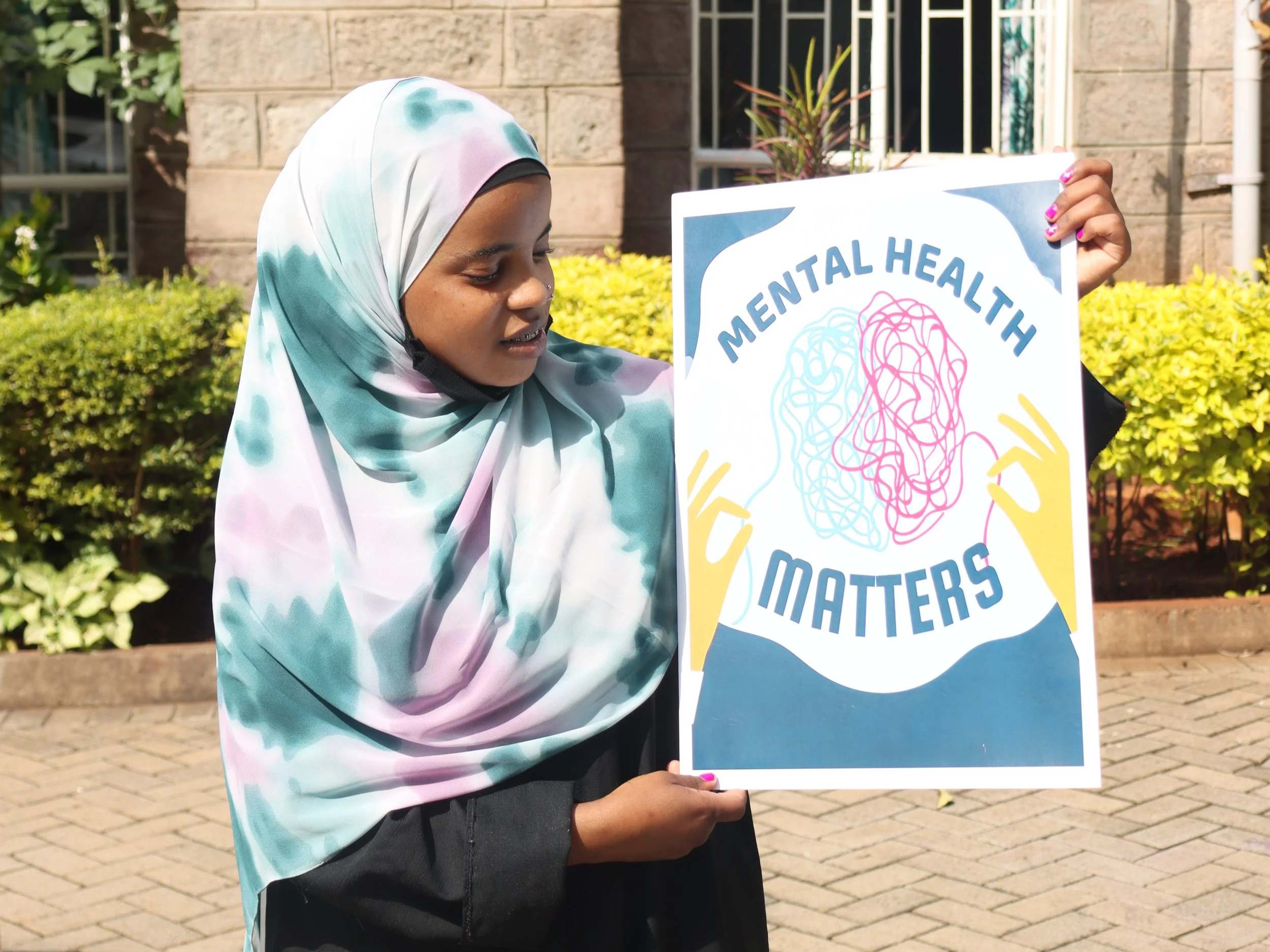

RefuSHE’s Mental Health Department is responsible for upholding and promoting evidence-based healing services for refugee girls, young women, and children so that they can rebuild their lives and thrive. We believe that psychosocial recovery and emotional stability are the foundations upon which girls and young women can rebuild their lives through education, vocational training, and community support. By conducting mental health assessments, providing psychoeducation, and approaching healing through a trauma-informed lens, RefuSHE ensures that the psychosocial needs of those we serve are prioritized and met.
Individual & Group Therapy
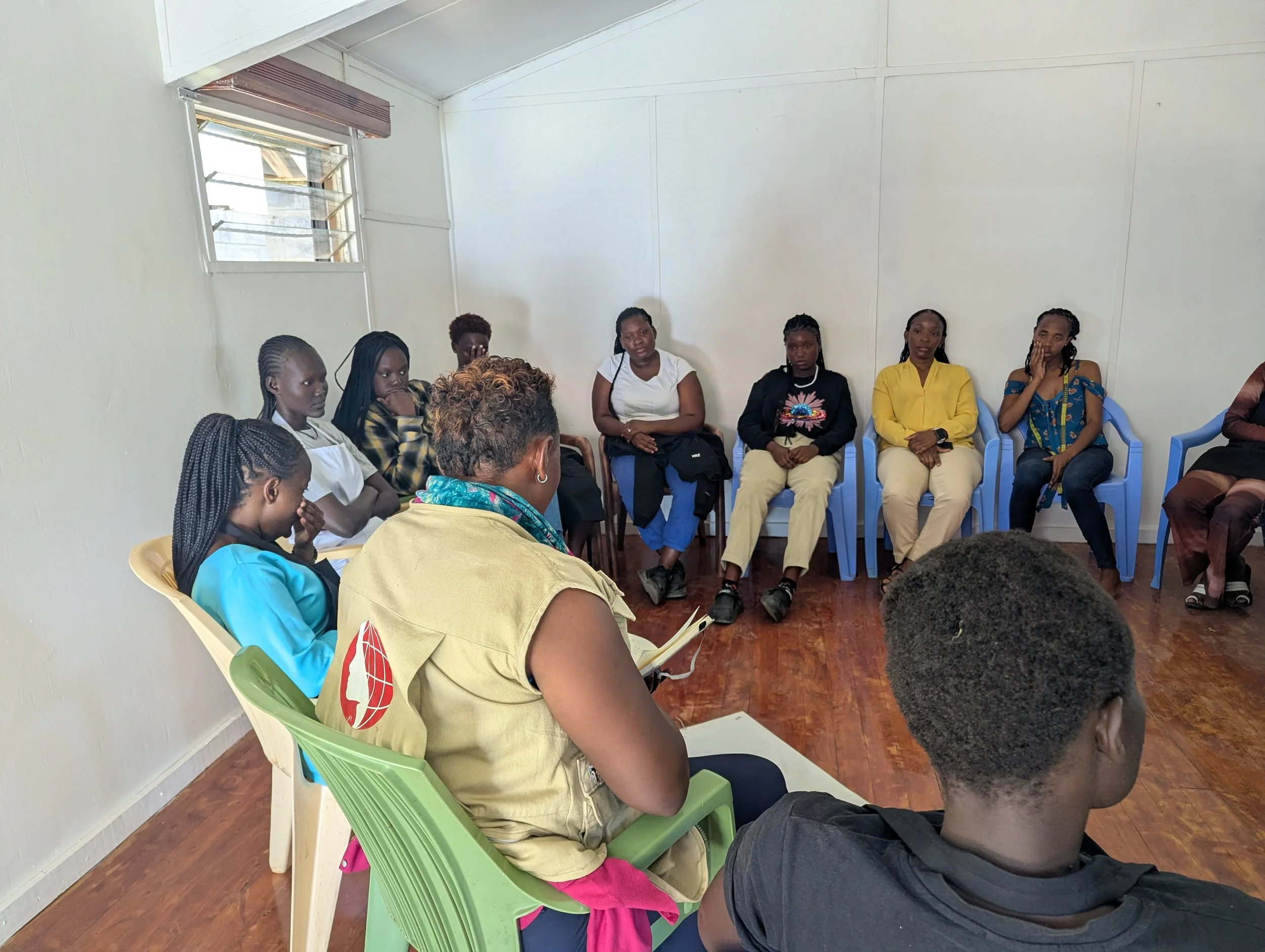
Approximately 72% of the girls and women we serve present with mental health concerns that are likely to impede their learning and overall wellbeing. Many of these girls and women carry with them significant trauma stemming from forced displacement, sexual and gender-based violence, and/or experiencing the loss of friends and family.
We offer both individualized and group therapy depending on each participant’s specific needs. Talk therapy provides a safe space to process traumatic experiences, understand how these experiences influence thoughts, feelings, and behaviours, and develop healthy coping strategies for navigating emotions and relationships.
83%
OF GIRLS IN OUR PROGRAM WHO USE TALK THERAPY SERVICES DEMONSTRATE A DECREASE IN PSYCHOLOGICAL DISTRESS POST-TREATMENT
Arts & Movement Therapy
RefuSHE recognizes that healing from trauma extends beyond traditional talk therapy. Many survivors, particularly children, may find it difficult to express painful experiences verbally — a well-documented barrier in trauma recovery, especially for children who lack the language or safety to name what happened to them. To support holistic healing, we incorporate a variety of creative, expressive, and movement-based therapeutic approaches.
Our campus includes a somatic healing space where we facilitate regular trauma-informed yoga sessions for both participants and staff. At the Safe House, Zumba sessions have been introduced as an enjoyable and engaging way to encourage physical activity, emotional expression, social connection, and positive coping.
For younger children, RefuSHE provides play therapy, using age-appropriate play activities to help children process experiences, build emotional awareness, and strengthen resilience. We also utilize art therapy and expressive arts interventions, including drawing, painting, storytelling, and the use of therapeutic models, dolls, and other creative tools that enable children and adolescents to communicate feelings and experiences that may be difficult to express through words alone.
Research continues to demonstrate that movement- and arts-based therapies are essential tools for trauma recovery, particularly for individuals who may be uncomfortable discussing their experiences directly. Our vocational courses, such as dressmaking, also offer therapeutic benefits through repetitive tactile movements that foster concentration, calmness, and self-efficacy.
The Science of Trauma
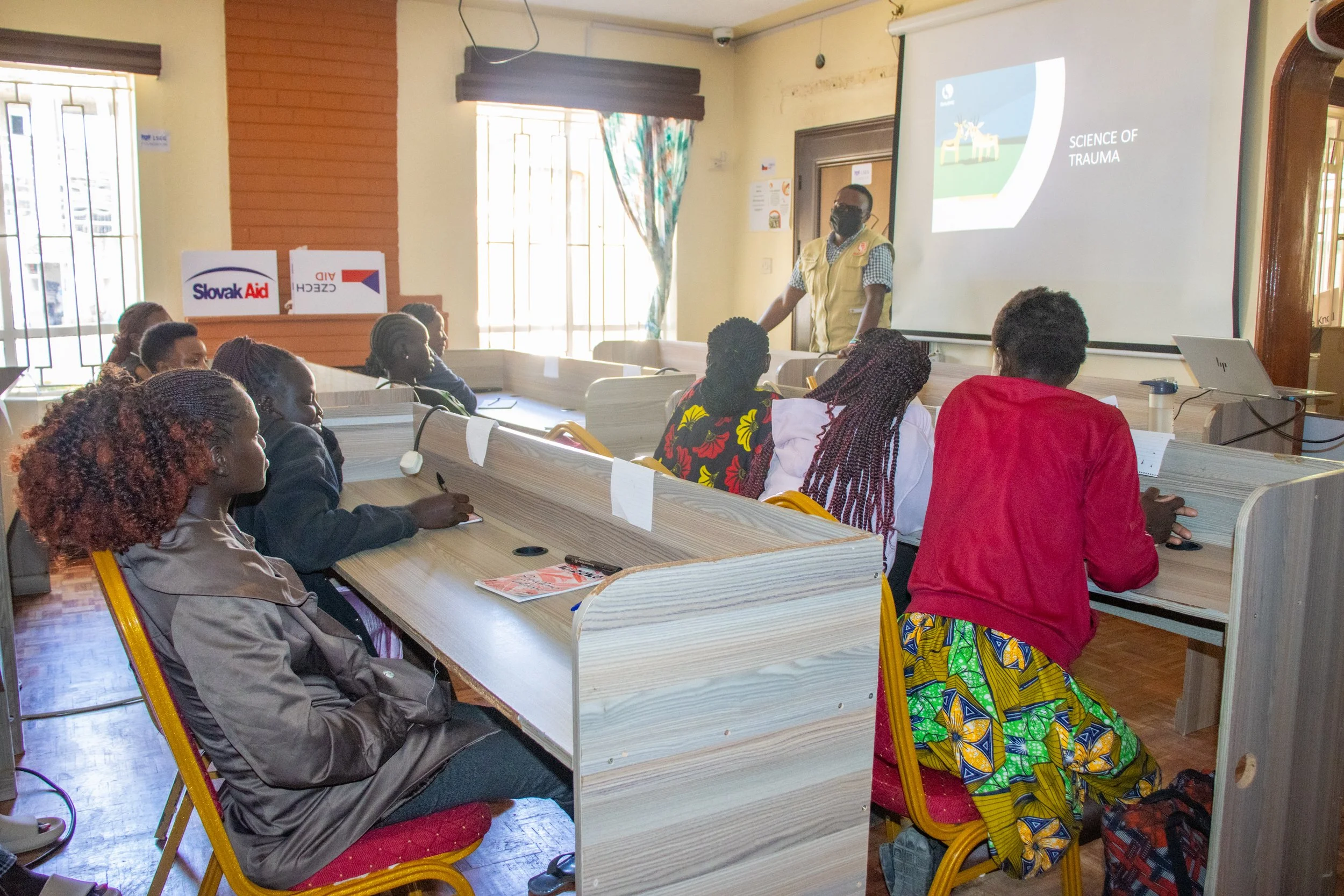
Providing refugee girls and young women with an understanding of how trauma has impacted their lives is critical to their recovery. The Science of Trauma is a psychoeducation workshop specifically designed and tailored to RefuSHE’s community. It teaches participants about the basic neuroscience of trauma and how traumatic experiences affect both the mind and body. The workshop also introduces practical coping strategies and available healing resources.
By demystifying trauma, normalizing common trauma responses, and strengthening participants’ understanding of recovery, the workshop empowers girls and young women to actively engage in their healing journeys and utilize the various supports available through RefuSHE’s holistic model.
90%
OF PARTICIPANTS ARE MORE COMFORTABLE DISCUSSING MENTAL HEALTH ISSUES AFTER COMPLETING THE SCIENCE OF TRAUMA WORKSHOP
Community & Staff Support
RefuSHE also extends mental health support and psychosocial resources to refugee women and communities across Nairobi as part of our broader commitment to holistic and community-centered care.
Recognizing the significant gap in access to mental health and psychosocial support within refugee communities, RefuSHE is committed to strengthening community-based support systems. To increase access to care, we have trained 18 community para-counselors who are currently providing Psychological First Aid (PFA) and basic psychosocial support within their communities. These trained community members serve as critical first responders, helping identify individuals in distress, providing immediate emotional support, and facilitating referrals for specialized services when needed.