
Safe House
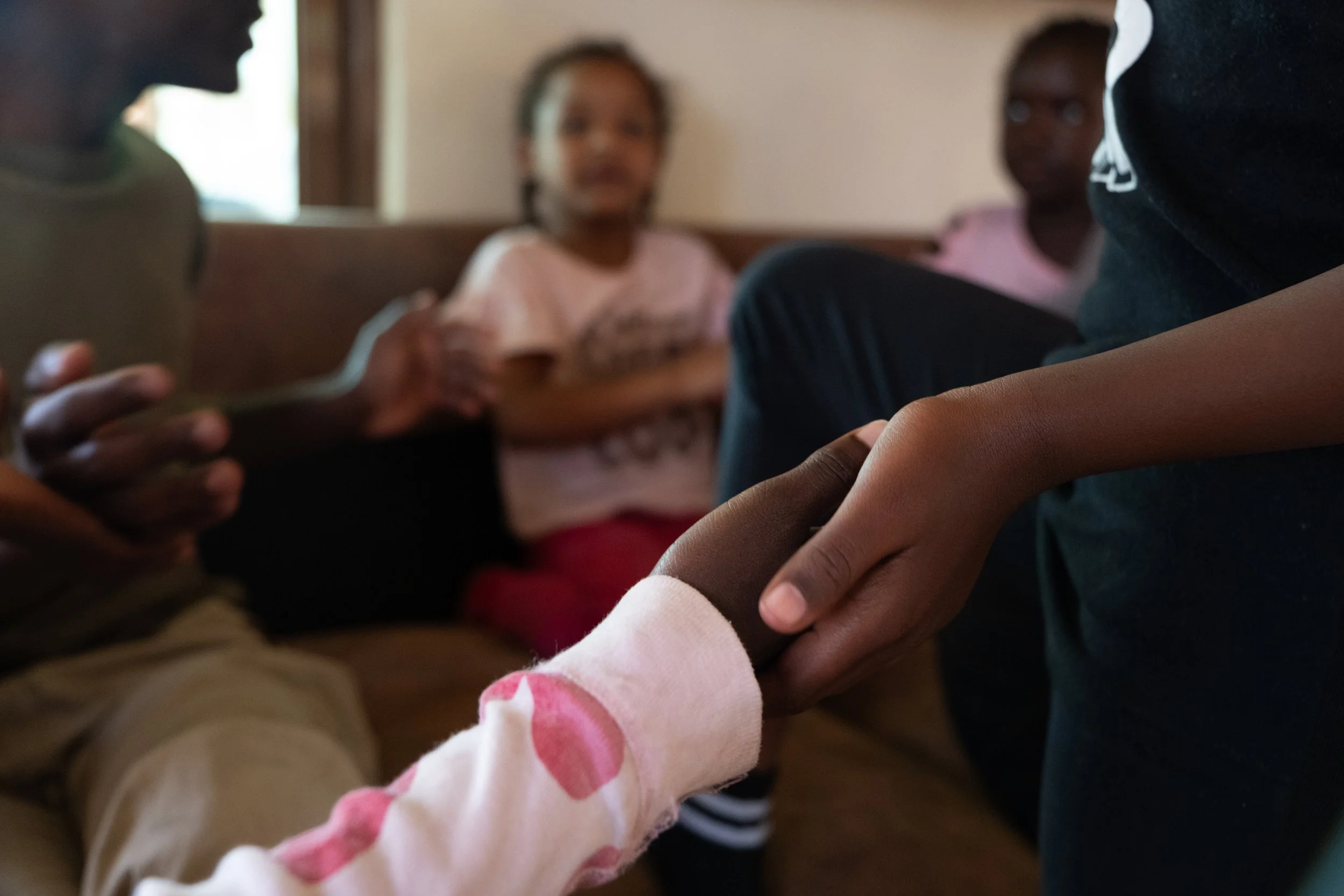
The first and only of its kind in Kenya, our Safe House is a transitional shelter that provides protection and recovery to unaccompanied and separated refugee girls and their children (18 years and below) who have faced or are facing serious protection and security situations, where prior interventions to resolve those concerns have failed. We offer the young women who come through our Safe House doors a secure space to heal, a holistic set of services, and a dedicated community of support. RefuSHE’s Safe House is a registered CCI (Children’s Charitable Institution) under the State Department for Children Services, Ministry of Gender, Culture and Children.
Security & Protection
Located in a safe location in Nairobi, the Safe House supports an average of 40 young women and children each year and is managed by Case Management staff 24 hours a day. To protect residents and guard the Safe House’s secure position as a transitional shelter for vulnerable young refugees, RefuSHE employs onsite, around-the-clock security guards and changes the location of the house every three to four years.
100%
OF SAFE HOUSE RESIDENTS REPORT FEELING AN INCREASE IN PERSONAL SAFETY AFTER ARRIVAL
Holistic Support
All residents receive intensive case management support, including counseling, health care, legal aid, family tracing, childcare, and life skills classes. In addition to the support provided by the Safe House’s nurse, RefuSHE partners with local hospitals in Nairobi to provide medical care to Safe House residents and their children. All residents receive essential personal care and hygiene items, clothing and bedding support, and other basic necessities that support health, comfort, protection, and dignity during their stay at the safe house. Approximately half of RefuSHE’s Safe House residents are mothers who also receive diapers for their young children.
Community Cultivation
In addition to meeting girls’ immediate and essential needs, the Safe House offers healing through community and kinship. The refugee girls in our care have been separated or orphaned from their own families and often feel isolated or alone when they arrive in Nairobi. Safe House residents reside in dorm-style housing and may be paired with a “sibling” to foster familial closeness. Residents are encouraged to embrace the diversity of cultural and religious backgrounds in the Safe House through the celebration of different holidays and cultural days in which girls cook food from their countries of origin.
Occupational Activities
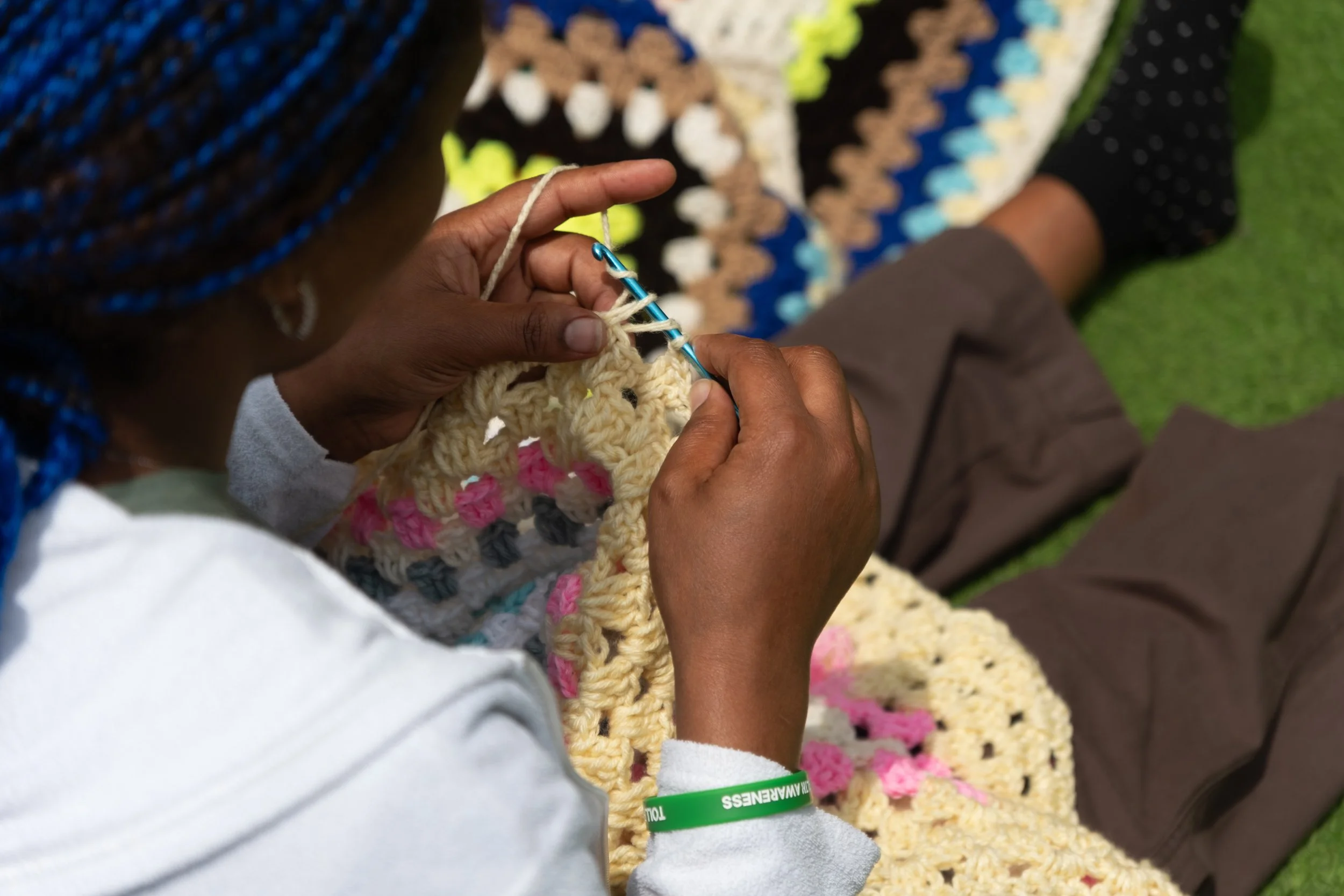
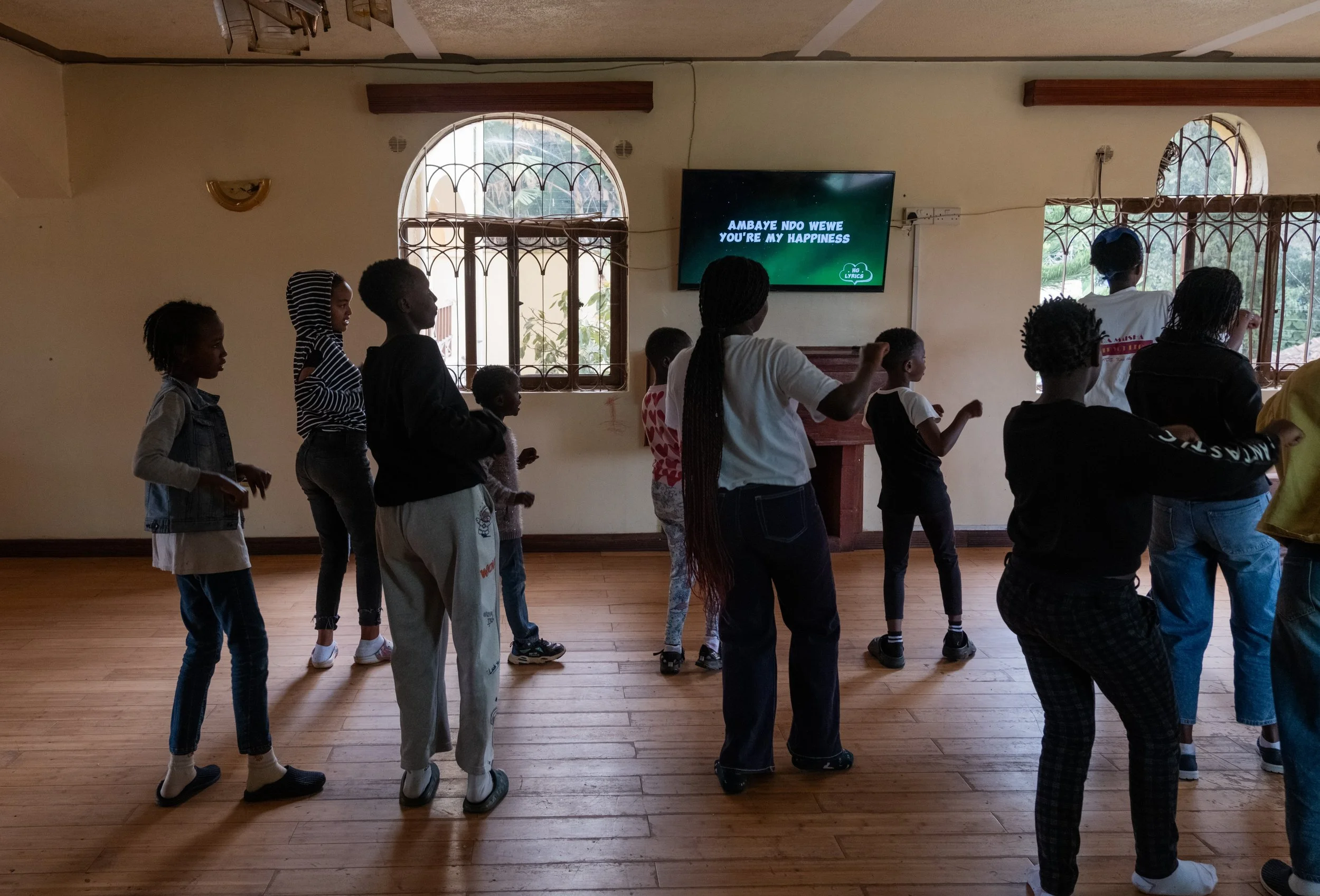
The Safe House program works to promote psychosocial healing by structuring a daily routine of creative arts and chores. Creative arts workshops, including knitting, beading, hairdressing, and baking, help residents occupy their time, settle their minds, and develop marketable skills that they can take with them after relocating. While young mothers are occupied with skill-building and other therapies like trauma-informed yoga and Zumba, case workers and counselors engage children in developmental activities in the child-friendly space. Our Safe House team also accompanies residents on field trips with funding from our partners so girls can venture out into the community and learn in a hands-on environment.
Pathways To Safe Exits
Because resettlement is out of reach for nearly all refugees, RefuSHE prioritizes safe exit strategies grounded in local integration as the most realistic durable solution for Safe House residents. Due to the temporary nature of the shelter, our goal is to either reunify residents with their families or place them in safe, alternative care arrangements within the community. Some residents who have exited the Safe House go on to join our Girls Empowerment Program (GEP), while others pursue vocational training at local schools or start their own microenterprises. We support all Safe House residents with case management services and mental health check-ins for an additional six months after they exit, to ensure successful transitions. The length of time an individual participant stays in the Safe House depends on a variety of circumstances, but we generally support residents for six to 24 months
98%
OF SAFE HOUSE RESIDENTS WHO EXIT INTO THE COMMUNITY REPORT FEELING SAFE IN THEIR NEW LIVING ARRANGEMENTS